Navigating Western snow plow issues requires a systematic approach‚ encompassing hydraulic‚ electrical‚ and mechanical checks.
This guide provides essential steps for diagnosing and resolving common problems‚ ensuring reliable winter performance.
Western snow plow systems are renowned for their durability and performance‚ but even the most robust equipment requires occasional troubleshooting. Understanding the core components is crucial for effective diagnosis. These systems generally consist of a power unit – often hydraulic – a plow blade‚ an angling mechanism‚ and a control system.
The hydraulic system provides the force for lifting and angling‚ while the electrical system transmits signals from the cab controls to the plow’s functions. Common issues stem from power supply disruptions‚ hydraulic leaks‚ or mechanical binding. Familiarizing yourself with the specific model’s wiring diagrams and hydraulic schematics will significantly aid in pinpointing the root cause of any malfunction.
Understanding Hydraulic Systems
Western snow plows rely heavily on hydraulic power for blade lift and angling. The system comprises a hydraulic pump‚ reservoir‚ hoses‚ cylinders‚ and control valves. The pump‚ driven by the vehicle’s engine‚ pressurizes hydraulic fluid‚ which then flows through hoses to the cylinders. These cylinders extend or retract‚ controlling the plow’s movements.
Low fluid levels‚ leaks in hoses or cylinders‚ and pump malfunctions are common hydraulic issues. Air in the system can also cause erratic operation. Proper fluid type and level are critical; always consult the owner’s manual. Inspect hoses for cracks or damage‚ and check cylinders for leaks. A failing pump will often exhibit reduced pressure or unusual noises.
Electrical System Overview
The electrical system powers the hydraulic pump motor and controls the plow’s functions via a control box and solenoid valves. Power originates from the vehicle’s battery‚ traveling through a plow-truck connector to the control box. The control box interprets signals from the in-cab controller and activates the appropriate solenoids.
These solenoids direct hydraulic fluid flow‚ raising‚ lowering‚ or angling the blade. A flashing red light often indicates an electrical fault. Common issues include corroded connectors‚ blown fuses‚ faulty solenoids‚ and wiring problems. Inspect all connections for corrosion and ensure proper grounding. A multimeter is essential for testing voltage and continuity.
Common Western Snow Plow Problems
Western snow plows can experience several recurring issues. A plow that won’t lift often points to hydraulic problems‚ a faulty solenoid‚ or electrical issues within the lift circuit. Difficulty angling‚ or turning‚ frequently stems from stuck angle cylinders or restrictions in hydraulic lines. Slow or erratic plow movement can indicate low hydraulic fluid‚ a failing hydraulic pump‚ or air within the system.
These problems can be frustrating‚ but systematic troubleshooting is key. Regularly checking fluid levels and connections can prevent many issues. Remember to inspect for physical obstructions and damaged components.
Plow Won’t Lift
When a Western snow plow refuses to lift‚ begin by verifying the hydraulic fluid level; low fluid is a common culprit. Next‚ inspect the lift cylinder for leaks or damage. A clicking solenoid‚ but no lift‚ suggests a potential issue with the hydraulic pump or a blockage in the lines. Check the plow-truck connector for corrosion or loose connections‚ as this can interrupt the electrical signal.
Ensure the control box is functioning correctly and that the lift switch is sending a signal. A flashing red light often indicates a specific error code‚ providing valuable diagnostic clues.
Plow Won’t Angle (Turn)

If your Western snow plow isn’t angling‚ start by checking the angle cylinder for binding or obstructions; applying pressure to the side while activating the control may free it. Inspect the hydraulic lines for kinks or restrictions‚ as these impede fluid flow. Verify the hydraulic fluid level is adequate and the pump is functioning correctly. A faulty solenoid dedicated to the angle function could also be the cause.
Examine the plow-truck connector and control box for proper connections and operation. Wiggling the connector while testing can reveal intermittent electrical issues.
Slow or Erratic Plow Movement
Slow or erratic plow movement often points to hydraulic system inefficiencies. Begin by verifying sufficient hydraulic fluid levels and inspecting the fluid for contamination. A failing hydraulic pump can deliver reduced pressure‚ causing sluggish operation. Check for internal leaks within the cylinders or restrictions in the hydraulic lines‚ hindering smooth movement.
Electrical issues‚ such as a weak ground connection or a failing controller‚ can also contribute. Inspect the plow-truck connector and test the controller’s functionality. A flashing red light often indicates an electrical fault requiring diagnosis.
Troubleshooting Power and Ground Connections
Effective troubleshooting begins with verifying robust power and ground connections. Locate the primary power supply points‚ typically near the battery and control box‚ and inspect for corrosion or loose connections. A crucial step involves checking ground connections – ensure they are clean‚ tight‚ and free from rust.
Wiggle the plow-truck connector while monitoring voltage readings; fluctuations suggest a faulty connection. Poor grounding can manifest as intermittent operation or complete failure. Directly grounding the motor to the battery‚ bypassing the usual circuit‚ can isolate ground-side issues.
Locating Power Supply Points
Identifying power supply points is fundamental to diagnosing electrical issues. Begin by tracing the main power cable from the battery to the snowplow control box. Key locations include the battery terminals themselves‚ inline fuses‚ and the connection points at the control module. Inspect these areas for corrosion‚ loose wiring‚ or blown fuses.
Further power distribution often occurs at the plow-truck connector. Verify voltage at each pin using a multimeter. Remember to consult your Western snow plow’s wiring diagram for precise locations and expected voltage readings. A reliable power source is critical for proper operation.
Checking Ground Connections
Robust ground connections are as vital as positive power supply for a functioning snowplow. Begin by locating the main ground wire‚ typically connected to the truck’s chassis. Ensure this connection is clean‚ free of rust‚ and securely fastened. Inspect the ground wire itself for damage or breaks.
A poor ground can manifest as intermittent operation or complete failure. Utilize a multimeter to verify continuity between the ground wire and the chassis. If resistance is high‚ clean the connection point or repair/replace the ground wire. Directly grounding the motor can help isolate ground-side issues.
Diagnosing Hydraulic Issues
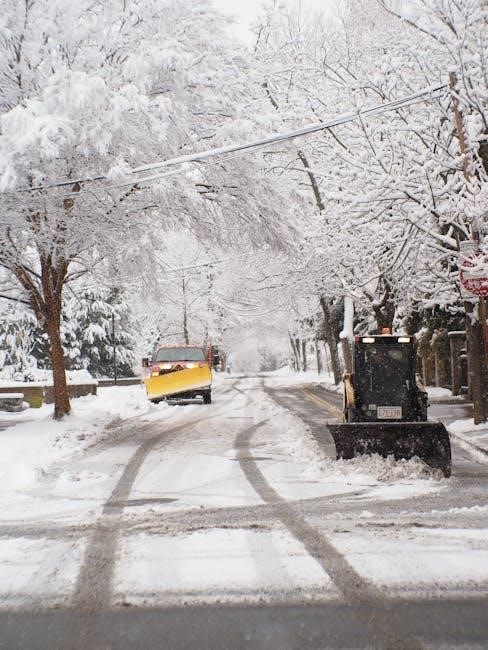
Hydraulic malfunctions are frequent causes of snowplow operational problems. Start by verifying the hydraulic fluid level; low fluid can severely impair performance. Inspect for leaks around the pump‚ hoses‚ and cylinders. A failing hydraulic pump will often produce noise but may still show fluid movement.
Sticking or leaking cylinders hinder lifting and angling. Examine cylinder seals for damage and check for smooth operation. Restrictions in hydraulic lines can also cause slow or erratic movement. Thoroughly inspect all lines for kinks or blockages‚ ensuring proper fluid flow throughout the system.
Low Hydraulic Fluid Levels
Insufficient hydraulic fluid is a primary suspect when a Western snowplow exhibits lifting or angling issues. Always check the fluid reservoir first‚ ensuring it’s at the recommended level – typically marked on the reservoir itself. Low fluid creates air in the system‚ leading to spongy operation and reduced power.
Before topping off‚ identify the source of any loss. Leaks around fittings‚ hoses‚ or the pump itself must be addressed. Use the correct type of hydraulic fluid specified by Western; mixing fluids can cause damage. Regularly monitoring fluid levels prevents costly repairs and ensures optimal plow functionality throughout the winter season.
Hydraulic Pump Malfunctions
A failing hydraulic pump severely impacts plow operation‚ often resulting in a complete loss of lifting or angling power. Listen for unusual noises – whining‚ grinding‚ or excessive vibration – when the pump is engaged. Check for leaks around the pump’s mounting flange and connections.
If the pump isn’t building pressure‚ it may be internally damaged. Testing pressure with a gauge is crucial for accurate diagnosis. A worn or damaged pump requires replacement; rebuilding is sometimes possible but often less reliable. Ensure proper pump alignment and fluid levels before installation to prevent premature failure.

Cylinder Problems (Sticking or Leaking)
Hydraulic cylinders are vital for lifting and angling‚ and issues like sticking or leaking significantly hinder performance. Inspect cylinders for visible leaks around the seals and rod. Sticking often occurs due to corrosion or debris buildup within the cylinder. Attempt to manually move the cylinder rod; resistance indicates a potential sticking issue.
Internal leaks cause slow or erratic movement. If a cylinder is leaking or stuck‚ it typically requires rebuilding or replacement. Always bleed the hydraulic system after cylinder repair to remove air and ensure optimal operation. Regular lubrication helps prevent corrosion and sticking.
Electrical Troubleshooting Techniques
Effective electrical diagnosis is crucial for resolving plow malfunctions. Begin by meticulously checking the plow-truck connector for corrosion or loose connections; wiggling wires during testing can reveal intermittent faults. Utilize a multimeter to test the controller/control box for proper voltage and continuity.
Solenoid testing is essential – a clicking solenoid indicates power‚ but a lack of function suggests a faulty unit needing replacement. Inspect all wiring harnesses for damage‚ paying close attention to areas prone to wear. Remember to consult the wiring diagram for your specific Western plow model.
Checking the Plow-Truck Connector

The plow-truck connector is a frequent source of electrical issues. Begin by visually inspecting the connector for physical damage‚ corrosion‚ or bent pins. Disconnect and reconnect the connector several times to ensure a secure connection. While testing‚ have an assistant gently wiggle the connector and wiring harness; observe if this affects voltage readings or plow operation.
Use a multimeter to check for voltage at each pin‚ comparing readings to the wiring diagram. Clean any corrosion with electrical contact cleaner. A faulty connector can cause intermittent operation or complete failure‚ so thorough inspection is vital.
Testing the Controller/Control Box
The controller‚ or control box‚ manages the plow’s functions. Begin by verifying power supply to the controller using a multimeter. Check for proper grounding as well; a poor ground can cause erratic behavior. If the controller has indicator lights‚ observe their patterns for error codes.
Test each function – lift‚ angle‚ float – by activating the corresponding switch. If a function fails‚ inspect the wiring between the controller and the affected component. Replacement of a faulty controller may be necessary‚ but confirm the issue isn’t elsewhere first.
Solenoid Testing and Replacement
Solenoids act as electrically controlled switches for hydraulic functions. A clicking solenoid often indicates it’s receiving power‚ but may not be fully engaging. Use a multimeter to check for voltage at the solenoid when the corresponding control is activated; If voltage is present but the solenoid doesn’t open‚ it’s likely faulty.
Before replacing‚ inspect the solenoid’s wiring and connections. Replacement is straightforward: disconnect the old solenoid‚ connect the new one‚ and ensure proper orientation. Verify functionality after installation. A failing solenoid prevents hydraulic fluid from flowing‚ halting plow movement.
Addressing Plow Angle Issues
Plow angle problems often stem from hydraulic restrictions or mechanical binding. Begin by inspecting the angle cylinders for any visible damage or leaks. If the plow struggles to angle in one direction‚ apply pressure to the affected side while activating the control; this can sometimes free a stuck cylinder.
Check hydraulic lines for kinks‚ bends‚ or obstructions that could restrict fluid flow. Low hydraulic fluid can also cause angling issues. Ensure the hydraulic fluid reservoir is full and the fluid is clean. If problems persist‚ a faulty angle cylinder may require replacement.
Stuck or Binding Angle Cylinders
Angle cylinders can bind due to corrosion‚ debris‚ or internal damage. Initially‚ attempt to free the cylinder by applying pressure to the plow wing while simultaneously operating the angle control. This rocking motion can dislodge minor obstructions. Inspect the cylinder rod for rust or buildup‚ cleaning it thoroughly with a suitable solvent.
If the cylinder remains stuck‚ carefully disconnect the hydraulic lines and manually attempt to extend and retract the rod. Avoid excessive force. A severely bound cylinder likely requires professional servicing or replacement to prevent further damage to the hydraulic system.
Hydraulic Line Restrictions

Restricted hydraulic lines impede fluid flow‚ causing slow or erratic plow movement. Begin by visually inspecting all lines for kinks‚ bends‚ or crushing. Check hose fittings for tightness and corrosion. Disconnect the lines at various points and use a pressure gauge to assess flow rate; a significant drop indicates a blockage.
Internal line restrictions often stem from sediment or debris accumulation. Flushing the hydraulic system with clean fluid can resolve this. If restrictions persist‚ replace the suspect hose sections. Ensure all replacement lines meet Western’s specifications for pressure and temperature ratings.
Jump Starting the Motor for Diagnosis
Directly powering the snowplow motor bypasses the vehicle’s electrical system‚ isolating potential issues. Before attempting‚ disconnect the plow-truck connector. Connect jumper cables directly from the vehicle’s battery to the motor terminals‚ observing correct polarity. If the motor runs‚ the problem lies within the truck’s wiring or controller.
Grounding the motor directly to the battery‚ while simultaneously activating the controller‚ tests the ground circuit. A functioning motor confirms a good ground connection. If it fails‚ inspect and clean the ground cable connections. Always exercise caution when working with electrical systems and disconnect power before making adjustments.
Directly Connecting Motor to Battery
This diagnostic step isolates the snowplow motor from the truck’s electrical system. Disconnect the plow-truck connector first for safety. Using heavy-gauge jumper cables‚ connect the positive (+) cable to the motor’s positive terminal and the negative (-) cable to the motor’s negative terminal‚ ensuring correct polarity.
If the motor operates when directly connected‚ the issue resides within the truck’s wiring‚ controller‚ or associated relays. If it remains unresponsive‚ the motor itself is likely faulty and requires replacement or further inspection. Exercise extreme caution and disconnect power before any adjustments.
Grounding the Motor Directly
Following the direct power connection test‚ assess the ground connection. If the motor didn’t run initially‚ try directly grounding the motor to the battery’s negative terminal using a jumper cable. Simultaneously‚ activate the plow lift function using the controller.
A functioning motor with this setup indicates a poor ground connection within the plow’s wiring harness or at the truck connector. Inspect and clean all ground connections thoroughly. A weak or corroded ground prevents sufficient current flow‚ hindering motor operation. This test pinpoints ground-side issues efficiently.
Flashing Red Light Troubleshooting
A flashing red light on your Western snowplow’s control indicates a system fault. Interpreting the flash code is crucial for diagnosis. The pattern – slow or rapid flashes – corresponds to specific error messages. Consult your Western snowplow’s operator manual for the precise meaning of each code.
Common causes include low hydraulic fluid‚ electrical issues‚ or a malfunctioning solenoid. Begin by checking fluid levels. If the problem persists‚ systematically test the electrical connections and components. Online resources and videos demonstrate basic troubleshooting techniques for deciphering these codes.
Interpreting the Flashing Red Light Code
Decoding the flashing red light is paramount to effective troubleshooting. The code isn’t random; it’s a diagnostic signal. A slow flash often signifies a different issue than a rapid one. Western’s operator manuals detail each code’s meaning‚ pinpointing the problematic component or system.
Common codes relate to hydraulic pressure‚ electrical faults‚ or controller malfunctions. Resources like WESTERN’s support materials and online forums offer assistance in deciphering these signals. Accurate interpretation directs your focus‚ saving time and preventing unnecessary part replacements. Remember to consult the manual first!
Preventative Maintenance for Western Snow Plows
Proactive maintenance dramatically reduces downtime and extends the life of your Western snow plow. Regular fluid checks are crucial; low hydraulic fluid compromises performance and can cause damage. Scheduled fluid changes‚ as per the manufacturer’s recommendations‚ maintain optimal system efficiency.
Lubrication of moving parts – hinges‚ pivot points‚ and cylinders – prevents corrosion and ensures smooth operation. Proper winter storage‚ including cleaning and protecting components‚ is vital. Addressing minor issues promptly prevents them from escalating into costly repairs‚ ensuring readiness for the next snowfall.
Regular Fluid Checks and Changes
Consistent monitoring of hydraulic fluid levels is paramount for optimal plow function. Low fluid levels can lead to sluggish movements or complete failure to lift or angle. Inspect fluid for contamination – discoloration or debris indicates a need for a change.
Scheduled fluid changes‚ typically annually or after a set number of operating hours‚ prevent corrosion and maintain hydraulic system efficiency. Use the manufacturer-recommended hydraulic fluid type to avoid compatibility issues and ensure proper viscosity. Proper fluid maintenance safeguards against costly repairs and extends component lifespan.
Lubrication of Moving Parts
Regular lubrication is crucial for smooth operation and preventing wear on critical plow components. Focus on pivot points‚ hinges‚ and sliding surfaces – these areas experience significant friction during use. Apply a high-quality‚ cold-weather grease designed for heavy-duty applications.
Greasing cylinders‚ angle pivots‚ and lift-arm connections reduces binding and ensures responsive control. Inspect grease fittings for damage or blockage‚ and replace as needed. Consistent lubrication minimizes corrosion‚ extends component life‚ and prevents costly repairs‚ ultimately maximizing plow performance throughout the winter season.
Winter Storage Preparation
Proper winter storage safeguards your Western snow plow against corrosion and damage during the off-season. Thoroughly wash the plow‚ removing salt‚ dirt‚ and debris to prevent rust formation. Inspect hydraulic hoses and cylinders for leaks or cracks‚ addressing any issues promptly.
Apply a corrosion inhibitor to all metal surfaces‚ providing a protective barrier. Store the plow in a dry‚ sheltered location‚ ideally indoors. Disconnect the electrical connection and consider covering the plow to shield it from the elements‚ ensuring it’s ready for the next winter season.