Halloween is a delightful tradition! Ensuring a safe and respectful experience for everyone – trick-or-treaters and homeowners alike – requires understanding basic etiquette and safety precautions.
This guide provides essential tips for a fun and considerate Halloween night, fostering positive interactions within the community and prioritizing well-being.
The Importance of Halloween Etiquette
Halloween’s spirit thrives on community and kindness. Practicing good etiquette isn’t just about politeness; it’s about respecting the homeowners who generously participate in this cherished tradition. A simple “Trick or Treat” and a sincere “Thank You” demonstrate appreciation and create a positive experience for all involved.
Teaching children these manners instills valuable social skills that extend far beyond Halloween night. It reinforces the importance of consideration, respect, and gratitude. Remember, trick-or-treating is a privilege, not a right, and upholding good manners ensures the continuation of this fun and festive activity.
Furthermore, considerate behavior – like skipping houses with lights off or “No Trick-or-Treaters” signs – shows respect for those who prefer not to participate. By following these simple guidelines, we contribute to a safe, enjoyable, and harmonious Halloween for the entire neighborhood, fostering a sense of community spirit and shared joy.
Today’s Date & Relevance (02/26/2026)
As of February 26th, 2026, Halloween may seem distant, but proactive preparation is key to a successful and safe trick-or-treating experience. Beginning discussions about etiquette and safety now allows children ample time to internalize these important lessons. Early planning also enables families to address any concerns or anxieties surrounding the event.
Considering current discussions around seasonal illnesses, it’s prudent to start thinking about potential precautions. While Halloween 2025 saw mindful approaches to health, maintaining awareness and adaptability remains vital. Establishing ground rules early – such as adult accompaniment for younger children – ensures a responsible and enjoyable outing.
Furthermore, familiarizing yourselves with local trick-or-treating maps and safety resources now will prove invaluable closer to October 31st; Proactive planning fosters a positive and secure Halloween experience for everyone involved, building anticipation and excitement while prioritizing well-being.
Pre-Trick-or-Treating Ground Rules
Establish clear expectations with your children regarding respectful behavior, safety protocols, and boundaries before heading out. Setting these ground rules ensures a positive experience.
Setting Expectations with Children
Before the excitement begins, have a thorough conversation with your children about appropriate trick-or-treating behavior. Explain the importance of politeness, emphasizing that “Trick or Treat” effectively replaces “please” on Halloween night.
Reinforce the necessity of saying “Thank You” with genuine gratitude when receiving treats. Discuss what constitutes respectful conduct – avoiding rudeness, unkindness, or making faces.
Practice knocking properly and waiting patiently for the door to open. Explain that not every house will participate, and it’s crucial to respect those decisions.
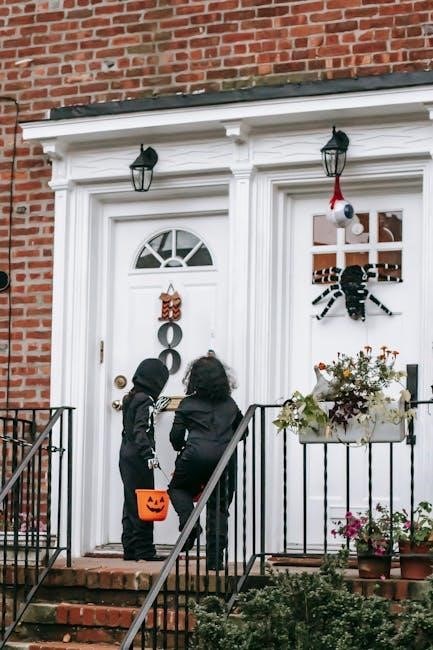
Role-play scenarios, such as approaching a house, receiving a treat, and responding to a homeowner. This helps children feel prepared and confident.
Clearly communicate the rules regarding accepting treats and the importance of waiting until returning home for inspection.
Age-Appropriate Supervision
Determining the right level of supervision is paramount for a safe Halloween. Children under the age of 12 must be accompanied by a responsible adult while trick-or-treating. This ensures their safety and allows for immediate guidance regarding etiquette and potential hazards.
For younger children, close, direct supervision is essential – staying within arm’s reach. As children mature, supervision can evolve to maintaining visual contact and checking in frequently.
Even with older children who may trick-or-treat with friends, establish a clear check-in schedule and designated route. Discuss potential scenarios and how to handle them responsibly.
Adults accompanying children should actively monitor their behavior, ensuring they adhere to established rules and demonstrate respectful conduct towards homeowners.
Prioritize safety by ensuring the supervising adult is alert and focused on the children’s well-being throughout the entire trick-or-treating experience.
Trick-or-Treating with Adult Accompaniment (Under 12)
For children under 12, adult accompaniment isn’t merely recommended – it’s a crucial safety measure. A responsible adult provides guidance, enforces pre-established rules, and ensures a positive experience for everyone involved.
The accompanying adult should actively participate, walking alongside the child and maintaining consistent visual contact. This allows for immediate intervention if a potentially unsafe situation arises or if etiquette reminders are needed.
Adults should model polite behavior, demonstrating proper greetings and thank yous to homeowners. They can also gently prompt children to do the same, reinforcing good manners.
Furthermore, the adult is responsible for reviewing collected treats before consumption, discarding any suspicious or unsealed items. They should also ensure the child doesn’t eat anything while walking from house to house.
Prioritizing safety and etiquette through consistent adult supervision ensures a fun, memorable, and worry-free Halloween for young trick-or-treaters.
Discussing Seasonal Illnesses & Precautions
As Halloween approaches, it’s vital to discuss seasonal illnesses with children and establish preventative measures. With increased social interaction, the risk of spreading colds, flu, and other viruses rises.
Explain the importance of good hygiene practices, such as frequent handwashing, especially after handling treats. Encourage children to avoid touching their faces and to cover coughs and sneezes with their elbow.
If a child is feeling unwell, even with mild symptoms, they should stay home. Trick-or-treating while sick not only risks spreading illness but also diminishes the enjoyment of the experience.
Remind children to maintain a respectful distance from others while trick-or-treating, particularly those who may be more vulnerable to illness. Consider a face mask if appropriate for your local health guidelines.
Prioritizing health and well-being ensures a safe and enjoyable Halloween for everyone in the community, minimizing the spread of seasonal illnesses.
Essential Phrases & Manners
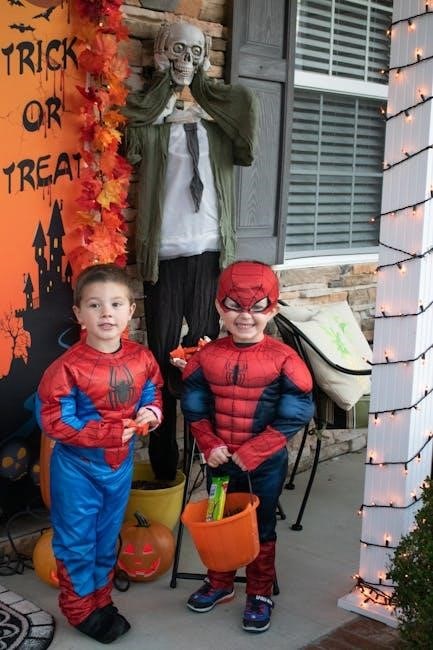
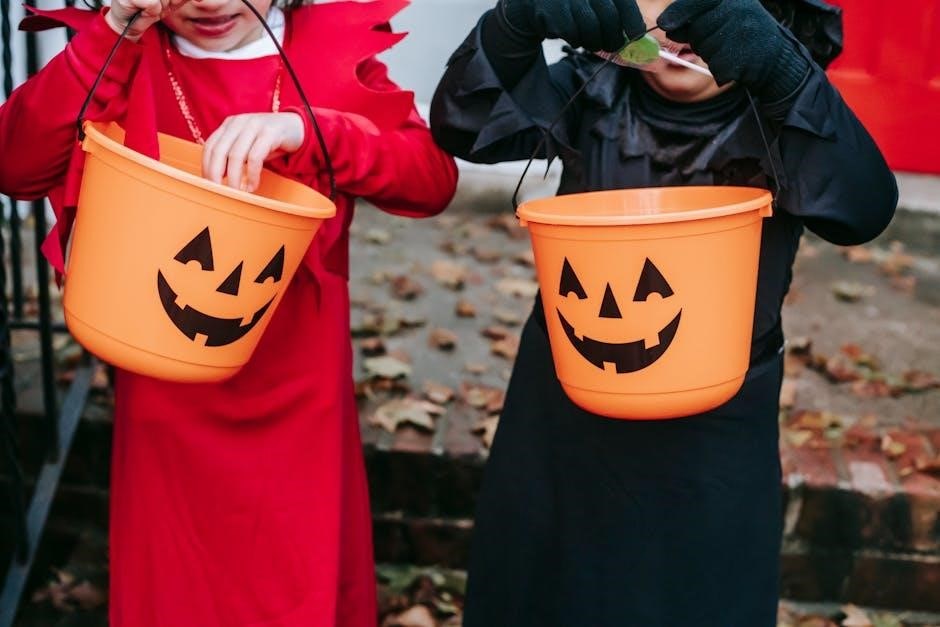
Politeness is key! Always say “Trick or Treat” and “Thank You” with enthusiasm. Accepting treats graciously and avoiding rudeness ensures a positive experience for all.
Saying “Trick or Treat” Correctly
The magic words! “Trick or Treat” isn’t just a phrase; it’s a polite request, effectively replacing “please” on Halloween night. When approaching a home, ensure your child confidently and clearly states “Trick or Treat.” This simple act demonstrates respect for the homeowner and acknowledges their participation in the festivities.
Encourage a cheerful delivery – a bright smile and enthusiastic tone make a wonderful impression. Some parents even prompt their children with “Trick or Treat!” or “Happy Halloween!” to ensure they remember. It’s about creating a positive interaction; Practicing beforehand can help younger children feel more comfortable and confident. Remember, it’s the first step in a delightful exchange, setting the tone for a fun and safe trick-or-treating experience. A well-delivered “Trick or Treat” shows gratitude and good manners.
Avoid mumbling or being shy; project your voice so the homeowner can easily hear. This small effort makes a big difference!
The Power of “Thank You”
Gratitude goes a long way! Just as important as saying “Trick or Treat” is expressing sincere thanks after receiving a treat. A heartfelt “Thank You” acknowledges the homeowner’s generosity and kindness. It’s a fundamental element of good manners and demonstrates respect for their participation in Halloween.
Encourage children to make eye contact and offer a genuine smile while saying “Thank You.” This shows sincerity and appreciation. It’s not enough to simply grab the candy and run; taking a moment to express gratitude creates a positive interaction and reinforces the spirit of the holiday. Remind them that homeowners are willingly sharing their treats and time.
Saying “Thank You” isn’t just about politeness; it’s about teaching valuable life lessons about gratitude and respect. It leaves a lasting positive impression and contributes to a more enjoyable Halloween for everyone involved. Always say “Thank You” when receiving the treat and leaving.
Accepting Treats Graciously
Politeness extends to how treats are received! When offered a treat, accept it with a smile and a verbal “Thank You.” Avoid any displays of disappointment, even if the treat isn’t a favorite. Remember, homeowners are generously sharing their candy, and expressing gratitude is paramount.
Never return a treat or ask for a different one. This is considered rude and disrespectful. Each homeowner offers what they can, and it’s important to appreciate the gesture regardless of the specific candy. Teach children to accept what is given with grace and enthusiasm.
Resist the urge to immediately assess the “value” of the treat. Halloween isn’t about getting the best candy; it’s about the fun of the experience and the community spirit. A gracious acceptance demonstrates good manners and fosters positive interactions.
Remember, a little kindness goes a long way!
Avoiding Rudeness and Disrespectful Behavior
Good manners are crucial on Halloween night! Teach children to avoid making faces, rude comments, or unkind gestures towards homeowners. Remember, people are opening their doors and sharing treats as a gesture of goodwill. Respect their generosity and effort.
Running on lawns, damaging decorations, or being overly loud and disruptive are all examples of disrespectful behavior. Encourage a calm and polite demeanor throughout the evening. Remind children that homeowners have the right to enjoy their evening as well.
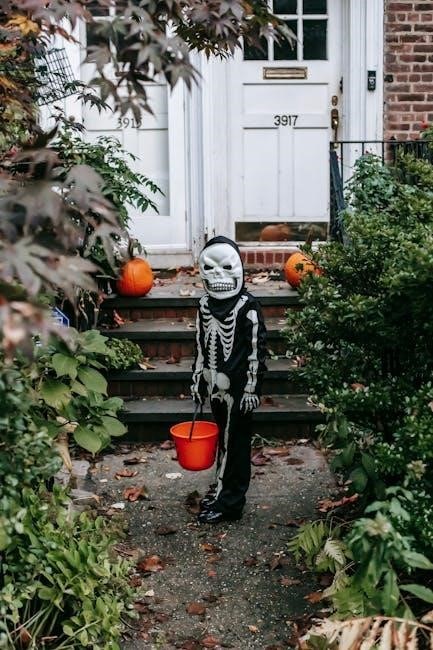
Avoid demanding treats or acting entitled. The phrase “Trick or Treat” is a polite request, not a demand. If a homeowner doesn’t answer, do not repeatedly knock or ring the doorbell. Respect their privacy and move on to the next house.
A positive attitude and respectful conduct ensure a happy Halloween for everyone involved!
Safety First: Navigating the Neighborhood
Prioritize visibility and awareness! Stay on well-lit streets, avoid dark houses, and never run into the road. Always look both ways before crossing, ensuring a safe journey.
Staying Visible to Cars
Visibility is paramount for a safe Halloween night. Drivers need to easily see trick-or-treaters, especially as dusk settles and darkness descends. Encourage children to wear bright, reflective costumes or add reflective tape to their clothing and treat bags.
Consider using glow sticks, flashing lights, or reflective accessories to further enhance visibility. Walk on sidewalks whenever possible, and if sidewalks aren’t available, walk facing traffic. Avoid crossing streets in dark areas; instead, utilize well-lit intersections and crosswalks.
Remind children to make eye contact with drivers before stepping into the street, ensuring the driver acknowledges their presence. Never assume a driver sees you. Adults accompanying younger children should carry flashlights to illuminate the path and increase visibility for the entire group. A brightly lit group is a safer group!
Avoiding Dark or Unlit Houses
Prioritize safety by steering clear of houses that appear dark or unlit. A lack of exterior lighting often indicates that residents may not be participating in trick-or-treating, or may not be prepared for visitors. It’s always best to err on the side of caution and skip these homes.
Darkness can also present tripping hazards on porches or in yards. Encourage children to only approach homes with a visible porch light on, signaling a welcoming environment. Explain that a dark house isn’t necessarily unfriendly, but it’s safer to choose well-lit options.
Remind them that homeowners may turn off lights later in the evening to signal the end of trick-or-treating. Respect this signal and move on to other neighborhoods. Focusing on well-lit homes ensures a more visible and secure trick-or-treating experience for everyone involved.
No Eating Treats While Trick-or-Treating
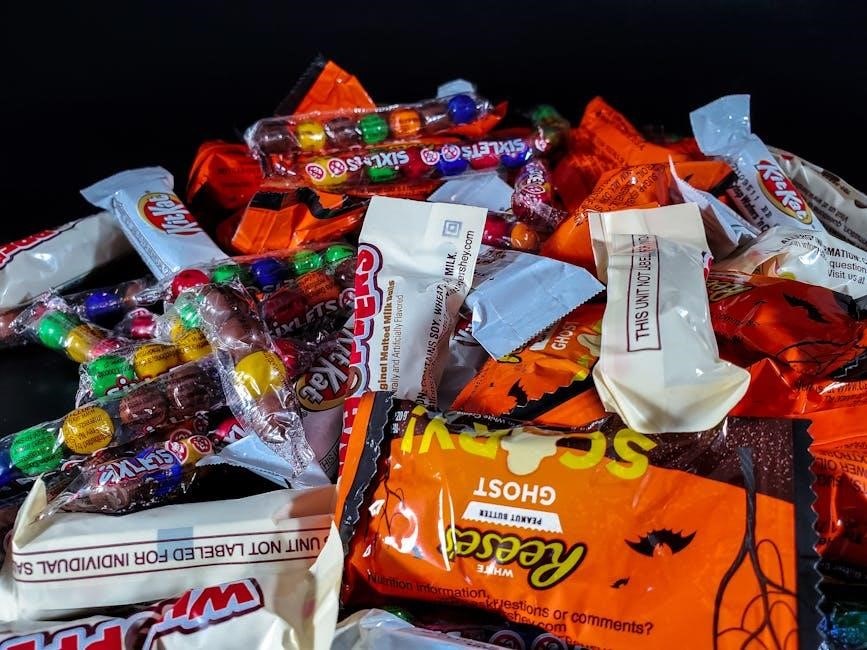
A crucial safety rule is to abstain from eating any treats while actively trick-or-treating. This allows a responsible adult to thoroughly inspect all collected goodies before consumption. It’s vital to ensure treats are sealed, appear untampered with, and are safe for your child to enjoy.
The excitement of Halloween can lead to impulsive snacking, but delaying gratification is essential. Explain to children that waiting until they return home provides an opportunity to identify and discard any potentially unsafe items. This practice safeguards against accidental ingestion of allergens or compromised treats.
Implementing this rule allows for a careful review process, promoting peace of mind for parents and a healthier Halloween experience for children. It’s a simple precaution with significant benefits, ensuring a worry-free and enjoyable night.
Reviewing Collected Goodies Before Consumption
Upon returning home, a thorough review of all collected treats is paramount. This step is non-negotiable for ensuring your child’s safety and well-being. Discard any treats that are homemade from strangers, as their ingredients and preparation methods are unknown and potentially hazardous.
Carefully inspect each item for signs of tampering, such as opened wrappers, unusual appearances, or suspicious packaging. Discard anything that appears unsealed, damaged, or raises any concerns. Be particularly cautious of treats without clear labeling or ingredient lists.
Prioritize commercially wrapped candies from reputable manufacturers. This diligent review process provides a vital layer of protection, allowing children to enjoy their Halloween haul with confidence and minimizing potential risks. Parental oversight is key to a safe and happy Halloween!
Respecting Homeowners & Signals
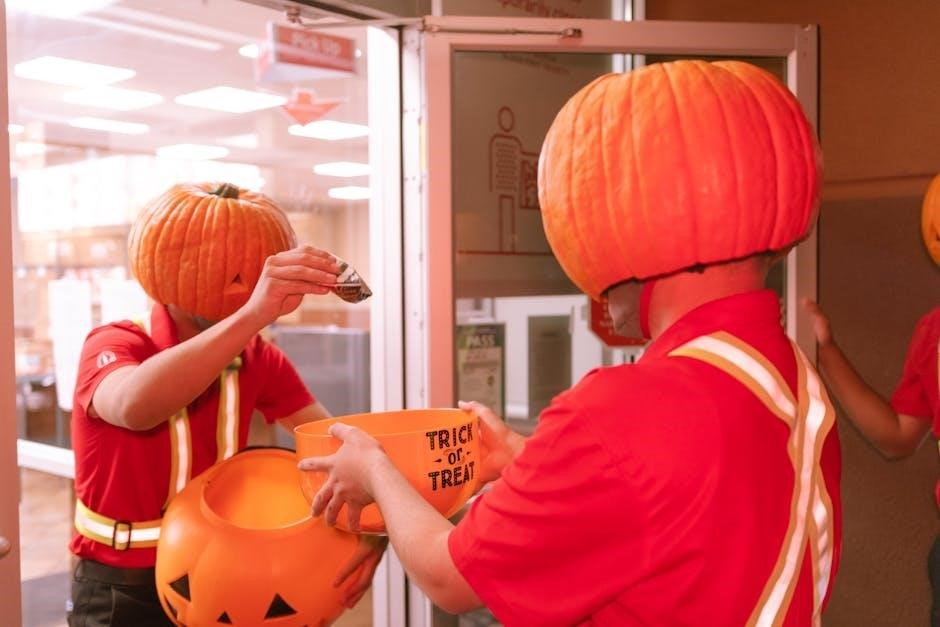
Be mindful of homeowners’ cues! Respectfully skip houses with lights off or displaying “No Trick-or-Treaters” signs. Avoid disturbing those not participating in the festivities.
Recognizing “Lights Off” as a Signal to Skip a House
Understanding visual cues is paramount for respectful trick-or-treating. When a homeowner turns off their porch light, or the exterior lights illuminating their home, it’s a clear and universally understood signal that they are no longer participating in the event.
This isn’t a personal rejection, but rather an indication they may be finished distributing treats, are occupied with other matters, or simply prefer to conclude their participation for the evening.
It’s crucial to teach children to recognize this signal and immediately move on to the next house without attempting to knock or ring the doorbell. Continuing to approach a home with the lights off can be disruptive and disrespectful to the homeowner’s wishes.
Emphasize that respecting these boundaries is a vital part of Halloween etiquette, ensuring a positive experience for everyone involved. A darkened house signifies a polite “no,” and should be honored without question.
Understanding “No Trick-or-Treaters” Signs
Homeowners have the right to choose whether or not to participate in trick-or-treating. Some may display a visible sign stating “No Trick-or-Treaters, Please” or a similar message. These signs are a direct request to be left undisturbed and should be respected without exception.
It’s essential to teach children that these signs are not a challenge, but a clear indication of the homeowner’s preference. Approaching a house with such a sign displayed is considered disrespectful and can cause unnecessary discomfort for the residents.
Explain to your children that people may have various reasons for not wanting to participate – perhaps they are unwell, have young children sleeping, or simply prefer a quiet evening.
Emphasize the importance of honoring their wishes and moving on to a house where trick-or-treaters are welcome. Respectful trick-or-treating means acknowledging and abiding by these boundaries.
Avoiding Disturbing Homes That Are Not Participating
Beyond explicit “No Trick-or-Treaters” signs, observe cues indicating a home isn’t participating. If a house has all its lights turned off, it’s a strong signal they’ve concluded their Halloween festivities and wish to not be disturbed.
Teach children to recognize this as a polite “do not knock” message. Repeatedly ringing the doorbell or knocking on a dark house is disruptive and shows a lack of consideration for the residents.
Explain that homeowners may be trying to rest, have already given out all their candy, or simply prefer privacy. Respecting their space is paramount to a positive Halloween experience for everyone.
Emphasize that a quiet, dark house isn’t a personal rejection, but a signal of non-participation. Encourage children to cheerfully move on to the next house with lights on and a welcoming atmosphere, demonstrating good manners and respect.
Treat Safety & Considerations
Prioritize safety! Avoid accepting homemade treats from strangers and discard any candy that is unsealed, has suspicious packaging, or appears tampered with.
Avoiding Homemade Treats from Strangers
A crucial safety measure involves declining homemade treats offered by individuals you don’t personally know. While the gesture may seem kind, it’s best to err on the side of caution. Unfortunately, there’s no way to verify the ingredients or preparation methods of homemade goods, potentially posing a risk to your child’s health.
Explain this to your children before they begin trick-or-treating. Emphasize that commercially wrapped candies are the safest option. Instruct them to politely decline any homemade items, even if offered with good intentions. A simple, “No thank you, we only take wrapped candy,” is sufficient.
Reinforce that their safety is the top priority, and it’s okay to say no, even if it feels impolite. This isn’t about distrusting neighbors, but about proactively protecting against potential harm. Focus on the abundance of safe, pre-packaged treats available throughout the neighborhood, making the decision easier for them.
Remember, a little preventative guidance can ensure a worry-free Halloween for everyone!
The Risks of Unsealed or Suspicious Treats
Upon returning home, a thorough inspection of all collected treats is paramount. Discard any candy that is unwrapped, has torn packaging, or appears to have been tampered with in any way. These treats pose an unnecessary risk and should not be consumed under any circumstances.
Teach children to recognize suspicious signs – anything that looks unusual, homemade (referring back to the previous section), or doesn’t have a recognizable brand label. Explain that even seemingly minor damage to packaging could indicate a problem.
Emphasize that if they are unsure about a treat, it’s always best to ask a parent or guardian before eating it. A cautious approach is vital. This review process isn’t about spoiling the fun; it’s about ensuring their safety and well-being.
Prioritize peace of mind by carefully examining every item, creating a safe and enjoyable Halloween experience for your little trick-or-treaters!
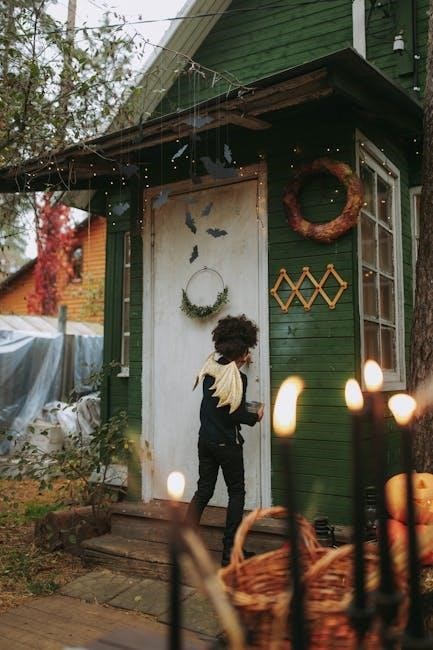
Utilizing Trick-or-Treating Maps & Resources
Local maps highlight safe routes and participating homes. These resources, often available online, enhance safety and ensure a fun experience for all trick-or-treaters!
Finding Safe Trick-or-Treating Routes
Prioritize well-lit and populated streets when planning your route. Many communities offer designated trick-or-treating paths, often publicized by local authorities or neighborhood associations. These routes are typically chosen for their safety, with increased visibility and pedestrian traffic.
Utilize online resources and local area safety maps to identify optimal routes. Websites and community pages frequently share information about safe zones and areas to avoid. Consider sticking to familiar neighborhoods where you and your children feel comfortable.
Before heading out, walk the route during daylight hours to identify potential hazards like uneven sidewalks or obscured visibility. Encourage children to stay on sidewalks whenever possible and to avoid cutting across lawns or parking lots. Remember, a well-planned route contributes significantly to a safe and enjoyable Halloween experience for everyone involved!
Always be aware of your surroundings and choose routes that minimize risks.
Local Area Safety Maps
Leverage the power of local resources for a secure Halloween! Many cities and towns publish trick-or-treating safety maps, often available on their official websites or through community centers. These maps highlight designated safe routes, well-lit streets, and areas with increased police presence.
These resources frequently indicate homes that are participating in trick-or-treating, allowing you to plan your route accordingly. Some maps even denote registered sex offender residences, providing an extra layer of awareness. Check with your local police department or homeowner’s association for access to these valuable tools.
Don’t hesitate to utilize online mapping services, searching for “Halloween safety maps” in your area. Remember to verify the source and date of the map to ensure its accuracy. A little preparation with a local safety map can significantly enhance the safety and enjoyment of your trick-or-treating adventure!
Prioritize maps from official sources for the most reliable information.