Bill Mollison Overview
Bill Mollison, a pioneering ecologist, authored the 1979 Permaculture Designers Manual, a foundational text that blends ecological science with practical design. The book has spawned global translations and inspired countless sustainable projects worldwide.
Explore!!.
Biography and Early Life
Bill Mollison was born in 1928 in the rural town of Goulburn, New South Wales, Australia. Growing up on a modest farm, he developed an early fascination with the natural world, observing how seasonal cycles governed plant growth and animal behavior. He pursued formal education at the University of Sydney, earning a degree in biology in the late 1940s. During his university years, Mollison became involved in student environmental groups, advocating for conservation and sustainable land use. After graduation, he joined the Australian Forestry Service, where he gained practical experience managing forest ecosystems and studying ecological succession. His work in the 1950s and 1960s, particularly in the biodynamic movement, deepened his understanding of ecological interdependence. Mollison also spent time in the United States, collaborating with ecologists and sharing his insights on ecological design. These early experiences laid the groundwork for his later development of permaculture concepts, blending scientific principles with hands‑on design strategies that would later be codified in the 1979 Permaculture Designers Manual. His legacy endures through countless communities that continue to apply his principles, proving that design can coexist nature sustainably.

Permaculture Concept
Bill Mollison’s Permaculture Designers Manual defines permaculture as a holistic approach that mimics natural ecosystems, integrating sustainable agriculture, water management, and community design into resilient, low‑input systems.!!! !
Definition and Core Principles
Bill Mollison’s Permaculture Designers Manual presents permaculture as a design philosophy that seeks to create sustainable, regenerative systems by emulating the patterns and relationships found in natural ecosystems. The manual outlines three core principles: observe and interact, use and value renewable resources, and design for resilience and diversity. It emphasizes the importance of integrating food production, water harvesting, soil building, and community cooperation into a single, self‑sustaining system. By applying these principles, designers can create agricultural landscapes that require minimal external inputs while maximizing ecological health and human well‑being. The text also highlights the role of ethical considerations—care for people, stewardship of the Earth, and fair distribution of resources in guiding permaculture practice worldwide. Mollison’s work has become a foundational reference for educators, farmers, and designers seeking to build resilient, low‑impact systems that honor both ecological integrity and social equity. The manual’s systematic layout encourages a holistic mindset, urging designers to observe natural patterns, identify resource flows, and design with multiple functions in mind. It introduces the 12 design principles—such as “observe and interact,” “use and value renewable resources,” and “design for resilience”—which serve as a framework for site analysis and decision making. The text also details the 10 design processes, from initial observation to final evaluation, and emphasizes the importance of iterative testing and adaptation. Practical tools like the “design cycle” diagram, the “soil building” checklist, and the “water harvesting” guide are provided to translate theory into action. By following these steps, practitioners can create low‑input, high‑output systems that are resilient to climate variability, economically viable, and socially inclusive. The manual’s influence extends beyond agriculture, inspiring urban planners, community organizers, and policy makers to adopt permaculture principles in city design, public spaces, and resource management strategies worldwide.

Permaculture Designers Manual
The Permaculture Designers Manual, first published in 1979, remains a cornerstone of sustainable design. With over 300 MB of content, it has been translated into French, German, Spanish, Slovenian, Mandarin, Italian, Portuguese, Thai, and Turkish, making it worldwide free !

Publication History and Editions
The Permaculture Designers Manual was first released in 1979 by Tagari Publishing, with a 313‑MB digital edition that quickly became a staple in ecological education. The original English edition was followed by a 1985 revised print that added updated case studies and expanded the “Design Process” section. In 1993, a second major revision incorporated feedback from early practitioners, refining the “Ethical Principles” and adding a new chapter on “Urban Permaculture.” The 2000 edition introduced a bilingual English‑Spanish layout, while the 2008 version added a comprehensive glossary and a new appendix on climate‑specific design. The most recent 2018 edition, available in both print and e‑book formats, includes updated illustrations, a new chapter on “Permaculture and Policy,” and a digital companion app for field mapping. Each edition has been translated into multiple languages—French, German, Spanish, Slovenian, Mandarin, Italian, Portuguese, Thai, and Turkish—ensuring global accessibility. The manual’s enduring relevance is reflected in its continuous reprinting and the active community of designers who cite it as the foundational text for permaculture practice worldwide. Since its first publication, the manual has been a touchstone for educators, farmers, and designers. Its iterative revisions reflect evolving ecological insights, incorporating new research on soil health, water management, and biodiversity. The manual’s structure—beginning with ethics, followed by site analysis, pattern recognition, and system design—provides a clear roadmap for creating resilient landscapes. Its influence extends beyond agriculture into urban planning, education, and policy development, cementing its status as a foundational resource. The manual’s accessibility is enhanced by its open‑source licensing, allowing free distribution and adaptation. Community forums and workshops worldwide disseminate its principles, fostering collaboration across disciplines. As climate challenges intensify, the manual’s emphasis on regenerative practices offers practical solutions, reinforcing its role as a critical guide for sustainable development. Its legacy endures worldwide now!
Translations and Global Reach
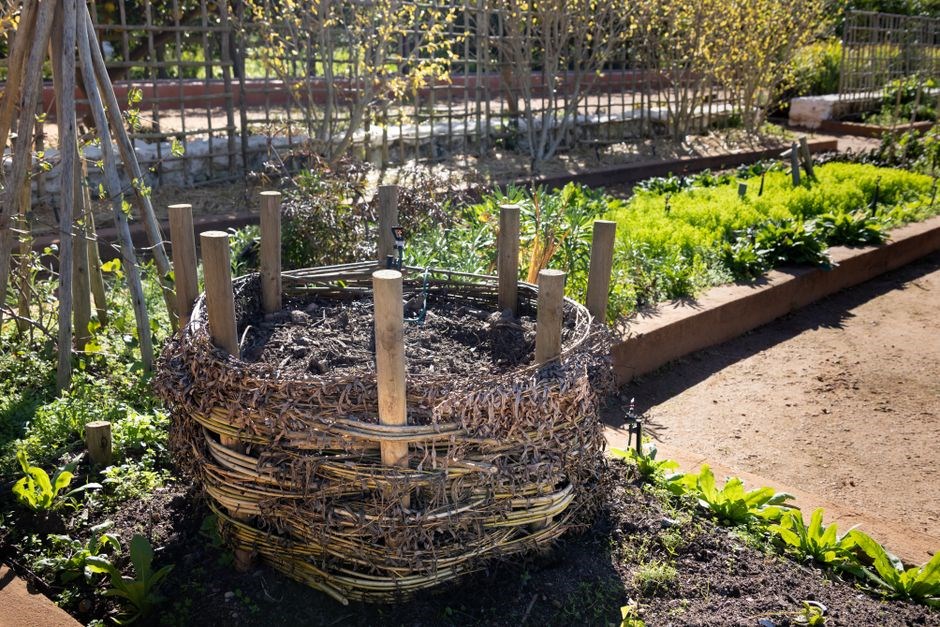
Bill Mollison’s manual has been translated into French, German, Spanish, Slovenian, Mandarin, Italian, Portuguese, Thai, and Turkish, making it accessible worldwide. Its global reach inspires designers across continents, fostering sustainable practices everywhere.!!!
Key Language Editions
Bill Mollison’s Permaculture Designers Manual has been translated into multiple languages, expanding its influence beyond the English‑speaking world. Key editions include the French version “Une agriculture pérenne pour l’autosuffisance et les exploitations de toutes tailles,” which captures the book’s emphasis on self‑sufficiency. The German edition, titled “Permakultur: Leben und Arbeiten im Einklang mit der Natur,” offers a comprehensive guide for integrating ecological principles into everyday life. Spanish readers benefit from “Introducción a la permacultura,” while Slovenian users can access “Uvod v permakulturo.” The Mandarin edition, “,” brings the concepts to Chinese‑speaking regions. Italian farmers find guidance in “Permacultura: manuale di progettazione,” and Portuguese speakers can consult “Introdução à permacultura.” Thai readers are served by “ความรู้เบื้องต้นเพอร์มาคัลเชอร์,” and the Turkish edition, “Permakültüre giriş,” provides practical design tools. These translations not only preserve Mollison’s original intent but also adapt the content to local cultural contexts, ensuring that the principles of permaculture are accessible and actionable worldwide. The availability of these editions has facilitated workshops, educational curricula, and community projects across continents, reinforcing the global movement toward regenerative agriculture. and inspires local stewardship. fostering resilience!

Availability and Purchasing Options
Buy the manual from Tagari Publishing, a niche U.S. retailer, or find it in public libraries via WorldCat. Online stores such as Amazon and local bookshops also stock the 1979 edition, supporting independent publishing and Mollison’s legacy. Available in e‑bookformat for academic use.
Online Retailers and Libraries

For those seeking Bill Mollison’s Permaculture Designers Manual, several online avenues exist. Tagari Publishing, a U.S. independent outlet, offers a new print run that directs proceeds to the author’s estate, ensuring the book’s continued availability. Major marketplaces such as Amazon list both the original 1979 edition and later reprints, providing options for hardcover, paperback, and Kindle versions. Digital libraries like Open Library host a public‑domain copy of the 1979 text, allowing free download for academic study. WorldCat links users to participating libraries worldwide; many public and university collections hold the manual, and interlibrary loan can bring a copy to your doorstep. For those preferring a portable format, the e‑book edition is available on platforms such as Google Books and Kobo, offering searchable text and adjustable font sizes; Libraries also provide e‑loan services through OverDrive and Libby, enabling instant access on tablets or smartphones. Whether you choose a physical copy for tactile reference or a digital copy for convenience, these resources ensure the manual remains accessible to students, designers, and environmentalists alike. By leveraging the manual’s design patterns, practitioners can create closed‑loop systems that mimic natural ecosystems, reducing inputs while maximizing outputs and fostering resilient communities worldwide.?
Impact on Sustainable Agriculture
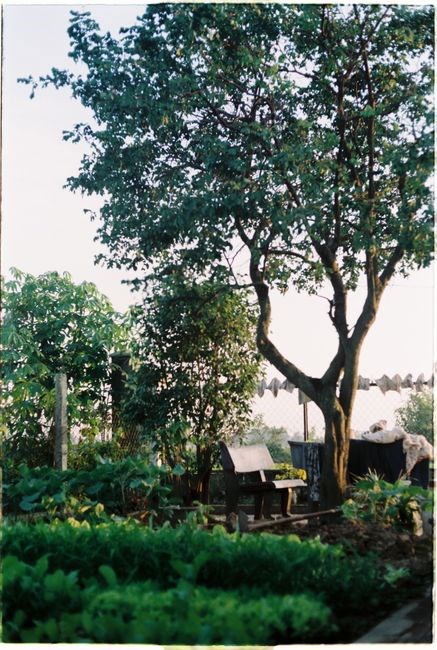
Bill Mollison’s manual catalyzed farming worldwide, cutting chemical use, improving fertility and fostering eco biodiversity. Its design patterns help farmers build resilient, low‑input systems that raise yields while protecting ecosystems.
Influence on Modern Practices
Since its 1979 release, Mollison’s Permaculture Designers Manual has reshaped contemporary agriculture. Farmers now adopt closed‑loop systems that recycle nutrients, reduce irrigation, and integrate companion planting, directly reflecting Mollison’s “no waste” principle. Urban growers use his “food forests” model to create multi‑layered edible landscapes that mimic natural ecosystems, boosting biodiversity and resilience. Educational institutions incorporate his design framework into curricula, training a new generation of designers who apply permaculture ethics to climate‑smart projects worldwide. Policy makers reference his work when drafting sustainable land‑use regulations, citing case studies that demonstrate economic viability and ecological restoration. The manual’s emphasis on observing natural patterns has also influenced regenerative grazing practices, encouraging rotational stocking that rebuilds soil carbon. In the commercial sector, agro‑industrial firms partner with permaculture consultants to redesign supply chains, reducing waste streams and improving product quality. Overall, Mollison’s ideas have become a cornerstone of modern sustainable practices, bridging science, design, and community engagement. Mollison’s legacy endures through workshops, seed banks, and community gardens that embody his principles, fostering ecological resilience and social cohesion across diverse landscapes. His influence permeates policy, education, and grassroots movements, ensuring that permaculture remains a dynamic, evolving practice that adapts to changing environmental and societal challenges. Itinspires resilient, regenerative systems!
Design Process and Methodology
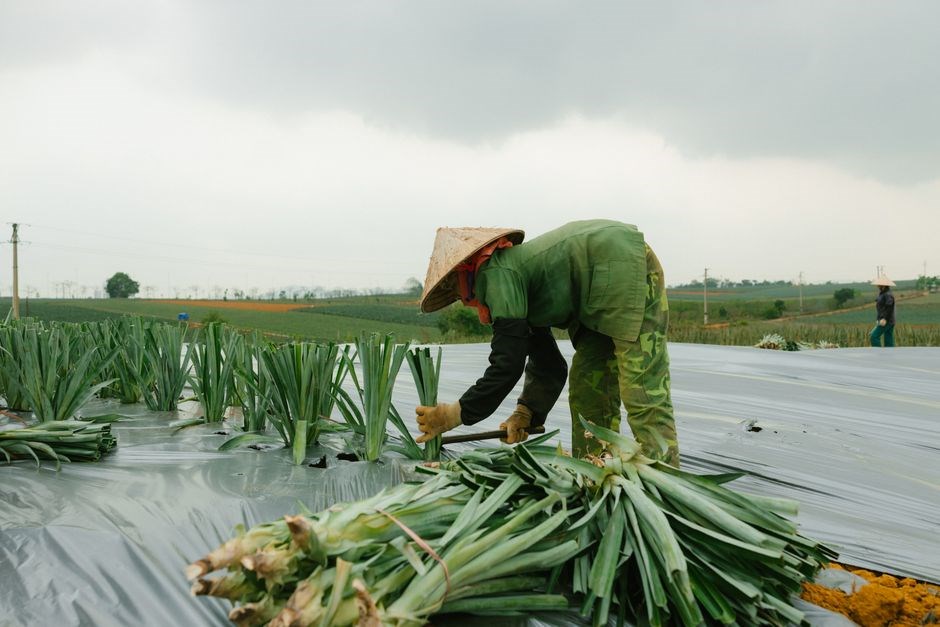
Mollison’s design process follows a four‑step cycle: observe, define, design, and implement. Observation records climate, soil, and biodiversity. Definition sets goals and constraints. Design creates layered, sustaining systems Implementation tests and refines the plan.
Steps and Tools
Observation: Record micro‑climate, water flow, soil texture, and native species. Use a field notebook, GPS, and a simple soil test kit to capture baseline data.
Definition: Translate observations into project goals, constraints, and desired outcomes. Draft a brief “design brief” that lists objectives such as food production, habitat creation, or carbon sequestration.
Design: Apply Mollison’s core principles—zone planning, sector analysis, and pattern recognition—to arrange elements. Sketch a scaled site diagram, then layer functions: top‑soil beds, water catchment, windbreaks, and pollinator corridors;
Implementation: Build the design in stages, starting with high‑impact, low‑cost interventions. Use low‑tech tools like shovels, rakes, and hand‑held composters. Record progress and adjust as conditions evolve. adapt!
Evaluation: Monitor yields, biodiversity, and soil health over time. Employ simple metrics—fruit count, pollinator visits, and soil moisture readings to assess success and guide iterative refinement.
Reflection: After several seasons, document lessons learned, celebrate successes, and identify gaps. Share findings with local networks, publish case studies, and refine the design for future projects, ensuring continuous improvement.! and insights. monitor!

Critiques and Controversies
Critics claim Mollison’s manual simplifies complex ecosystems, relies on anecdotal evidence, and lacks rigorous scientific backing, sparking debate over its validity as a scientific framework. The debate continues among ecologists and.
Common Criticisms
While Mollison’s Permaculture Designers Manual is celebrated for its visionary synthesis of ecological principles and practical design, it has attracted a spectrum of critiques that question its scientific foundation, scalability, and real‑world applicability. Critics argue that the manual’s reliance on anecdotal case studies and experiential knowledge can lead to overgeneralization, especially when readers attempt to transplant small‑scale, site‑specific solutions into vastly different climatic or socio‑economic contexts. The absence of rigorous peer‑reviewed data has also been cited as a weakness, prompting some ecologists to label the work as “pseudoscientific” or “ideological” rather than evidence‑based. Furthermore, the manual’s emphasis on “self‑sufficiency” and “closed‑loop” systems has been challenged for potentially overlooking the benefits of market integration and external inputs, which are essential for many modern agricultural economies. Some scholars also point to the manual’s limited discussion of biodiversity loss, climate change mitigation, and the socio‑political dimensions of food security, arguing that these omissions reduce its relevance in contemporary sustainability debates. Finally, the rapid proliferation of permaculture as a commercial brand has led to accusations that the manual’s original intent has been diluted, with some practitioners prioritizing profit over ecological integrity, thereby undermining the very principles Mollison championed. Despite these concerns, the manual remains a foundational text, and many practitioners continue to adapt its concepts to suit diverse ecological and cultural settings, often supplementing it with additional scientific research and local knowledge. Moreover, the manual’s pedagogical style, while accessible, has been criticized for encouraging a one‑size‑fits‑all mindset, potentially discouraging critical inquiry and adaptive learning. The lack of explicit guidance on monitoring and evaluation metrics further complicates efforts to assess long‑term outcomes. These critiques underscore the importance of integrating permaculture principles with robust scientific methodologies and context‑specific data to ensure that the vision of a resilient, regenerative future is grounded in measurable, replicable practice.